In our hyper-connected world– where smart offices, cloud gaming, 8K streaming, and the explosive growth of LoT devices are the norm – the unseen backbone of your digital life matters more than ever. That backbone? Your Network Hardware. And where does that critical hardware live? Often, inside a Outdoor telecommunication Cabinet.
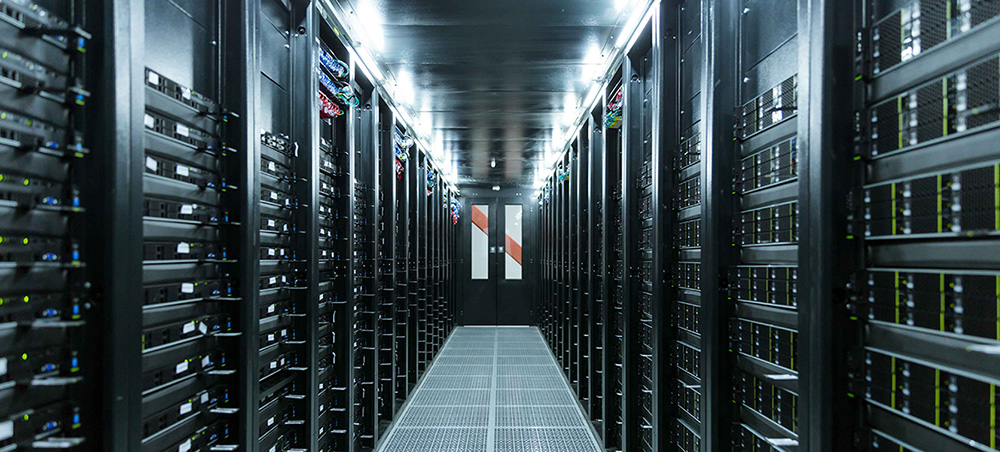
What Is a Network Server Cabinet (Rack)?
A network Cabinet, sometimes referred to as a network rack or data Cabinet, is a specialized enclosure designed to house and organize network equipment. Think of it as the secure, organized, and climate-controlled “nerve center” for your network equipment. Typically made of sturdy steel (sometimes aluminum or glass), designed specifically to house, protect, and manage:
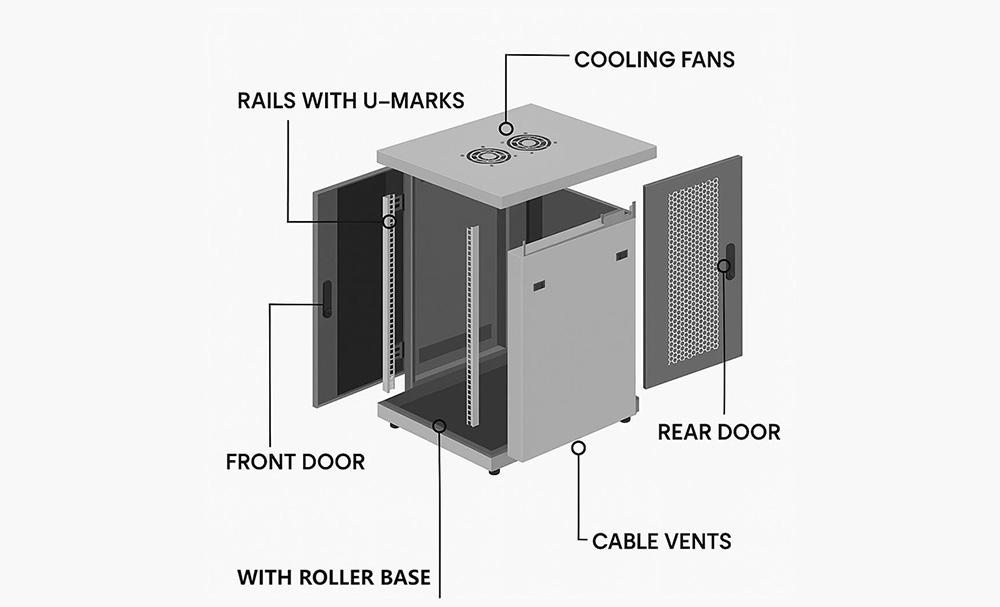
▪ Network Switches: The traffic cops directing data between your devices.
▪ Routers: Your gateway to the internet, connecting your local network to the wider world.
▪ Patch Panels: The tidy termination point for all your Network Cables running through walls and ceilings.
▪ Servers (Small Scale): Like NAS devices for storage or application servers for small businesses.
Uninterruptible Power Supplies (UPS): Battery backups keeping everything running during outages.
▪ Firewalls/ Security Appliances: Guardians protecting your network from threats.
▪ Modems/ Fiber Termination Units: Your connection to the internet service provider.
What's the difference between Wall-Mount Cabinet vs Floor-Standing Cabinet, and how should we choose?
| Feature | Wall-Mount Cabinet | Floor-Standing Cabinet |
| Best For | Home offices, small businesses, network closets, limited space. | Larger businesses, server rooms, heavy equipment, extensive gear. |
| Typical Size | 4U to 15U | 18U to 45U+ |
| Capacity | Lighter loads: modem, router, switch, patch panel, small UPS. | Heavy loads: servers, large switches, big UPS units, full stacks of gear. |
| Pros | Saves floor space, cost-effective for smaller setups. | High capacity, better stability for heavy gear, often mobile on casters. |
| Cons | Limited weight and space capacity. | consumes floor space, typically more expensive. |
Wall-Mount Cabinet: Smaller, lighter cabinets (often 4U to 15U) designed to be securely bolted to a wall. Perfect for smaller setups (home offices, small retail, network closets) where floor space is limited. Great for centralizing modem, router, switch, and patch panel.
Floor-Standing Cabinet: Larger enclosures (18U to 45U+ common) that sit directly on the floor. Designed to hold heavier equipment like servers and large UPS units. Essential for businesses with more complex needs or significant server infrastructure. Often have casters for mobility.
Conclusion:
A network cabinet is no longer just industrial equipment. It’s a fundamental tool for anyone serious about having a reliable, organized, scalable, and safe network infrastructure. As our dependence on seamless connectivity grows and the power (and heat!) of our devices increases, the humble network cabinet becomes the unsung hero ensuring everything just works.
Contact: Sales Departmment
Phone: 0086-13509605206
E-mail: info@casview.com
Whatsapp:86-13509605206
Add: 4F, B Building, Lanshang Pioneering Park, Xinfeng Rd, Longgang District, Shenzhen, China